7 Common Credit Card Mistakes That Hurt Your UK Credit Score
Used well, a credit card is one of the most practical tools in your financial kit. Used carelessly, it can leave marks on your credit file that take years to fade. The frustrating part is that most damage isn't caused by dramatic mistakes. It comes from ordinary habits — a balance left to roll over, a payment made a day late, one application too many.
Your UK credit report is a record of how you've handled borrowing, and lenders read it closely when you apply for a mortgage, a loan or a new card. The good news is that most of the errors below are easy to correct once you spot them.
1. Running a high balance against your limit
Credit reference agencies look at how much of your available credit you're using. This is your credit utilisation, and it carries real weight when a lender assesses you. Spend close to your limit each month and you look stretched, even if you clear the balance in full every time.
How it's calculated
Take your balance, divide it by your limit, multiply by 100. A £2,000 limit with a £600 balance is 30% utilisation. A widely used rule of thumb is to stay below 30%, and lower still if you're about to apply for a mortgage. It's worked out per card as well as across all your accounts combined.
If your spending naturally sits near your limit, try making an extra payment mid-month, before your statement is generated. Many lenders report the balance shown on your statement date, so a payment timed just before it can bring the figure down. Spreading spending across two cards can also help, as long as you're clearing both.
2. Missing a payment, or paying late
A single missed payment can sit on your credit file for around six years, and it's visible to any lender who checks. Set up a Direct Debit for at least the minimum on every card you hold. If money is tight, a Direct Debit for the minimum is still far better than nothing.
Then add a backup: a phone reminder three or four days before the due date. Direct Debits can fail when a payment date falls on a weekend or bank holiday, or when your bank balance is short. Catching that early gives you time to pay manually instead.
3. Paying only the minimum every month
Minimum payments keep your account in good standing, which is the part your credit file sees. What they don't do is clear the debt. Interest keeps building, the balance stays stubbornly high, and your utilisation stays elevated month after month.
Pay a fixed amount you can genuinely afford instead of the minimum. Even £20 or £30 above it makes a difference over a year. If you're carrying a balance across several cards, a balance transfer can buy you breathing room, though always check the fee and what the rate reverts to afterwards.
4. Withdrawing cash on a credit card
Cash withdrawals are treated very differently from purchases. There's usually no interest-free period, interest often starts from the day the money leaves the machine, and a fee is typically added on top. Some lenders also view repeated cash use as a sign of financial strain.
If you need cash, use a debit card or take it from savings. If you've already withdrawn money on a credit card, clear it as quickly as you can rather than letting it sit alongside your normal spending.
5. Applying for several cards in quick succession
Every full credit card application leaves a hard search on your file. One or two spread over time is normal. Four in a fortnight looks like someone scrambling for credit, and lenders price that risk accordingly — or decline you outright.
Use soft searches first
Most lenders and comparison services offer eligibility checkers that use a soft search, which is only visible to you. Run one before applying and you'll see your likely odds without leaving a mark. If you're rejected, wait a few months before trying again rather than firing off another application the same week.
6. Closing old cards without thinking it through
The length of your credit history matters, and so does the total credit available to you. Closing your oldest card can shorten your average account age and cut your available credit, which pushes your utilisation upwards overnight. Keep long-held cards open and use them lightly, with a Direct Debit set to clear the balance.
There is a sensible exception. If an unused card with a generous limit tempts you into spending, closing it may be the better call. A slightly weaker credit file beats a growing debt.
7. Never checking your credit report
Mistakes happen more often than you'd expect. An old address lingering on file, an account marked as open when you settled it years ago, a former partner's debt linked to you through a financial association, or an application you never made. Each of these can drag your score down without you knowing.
You can check your report for free with Experian, Equifax and TransUnion, and it's worth looking through every few months. If something is wrong, raise a dispute with the agency directly — most corrections are straightforward. Check your file well before a mortgage application, not the week you need the offer.
A routine that keeps your file in shape
None of this requires much effort once it's set up. A short routine covers most of the risk:
- Set a Direct Debit for at least the minimum on every card, then add a reminder a few days before each due date.
- Keep balances below roughly 30% of your limits, and lower than that if you're applying for a mortgage soon.
- Pay more than the minimum whenever you can, starting with the highest-interest balance.
- Use one agency every few months, rotating between the three, and dispute anything that looks wrong.
- Run a soft eligibility check before any application, and space new applications out.
- Avoid cash withdrawals on credit cards, and don't close old accounts on a whim.
One more point worth stating plainly: if you're struggling to keep up with repayments, don't wait for the problem to sort itself out. Free, confidential help is available from StepChange, National Debtline and Citizens Advice, and getting advice early usually means more options. The guidance here is general — for your own circumstances, a regulated debt adviser or financial adviser can look at the full picture.
Handled with a little attention, a credit card builds a positive record that works in your favour for years. Handled on autopilot, it does the opposite. The gap between the two is mostly routine.
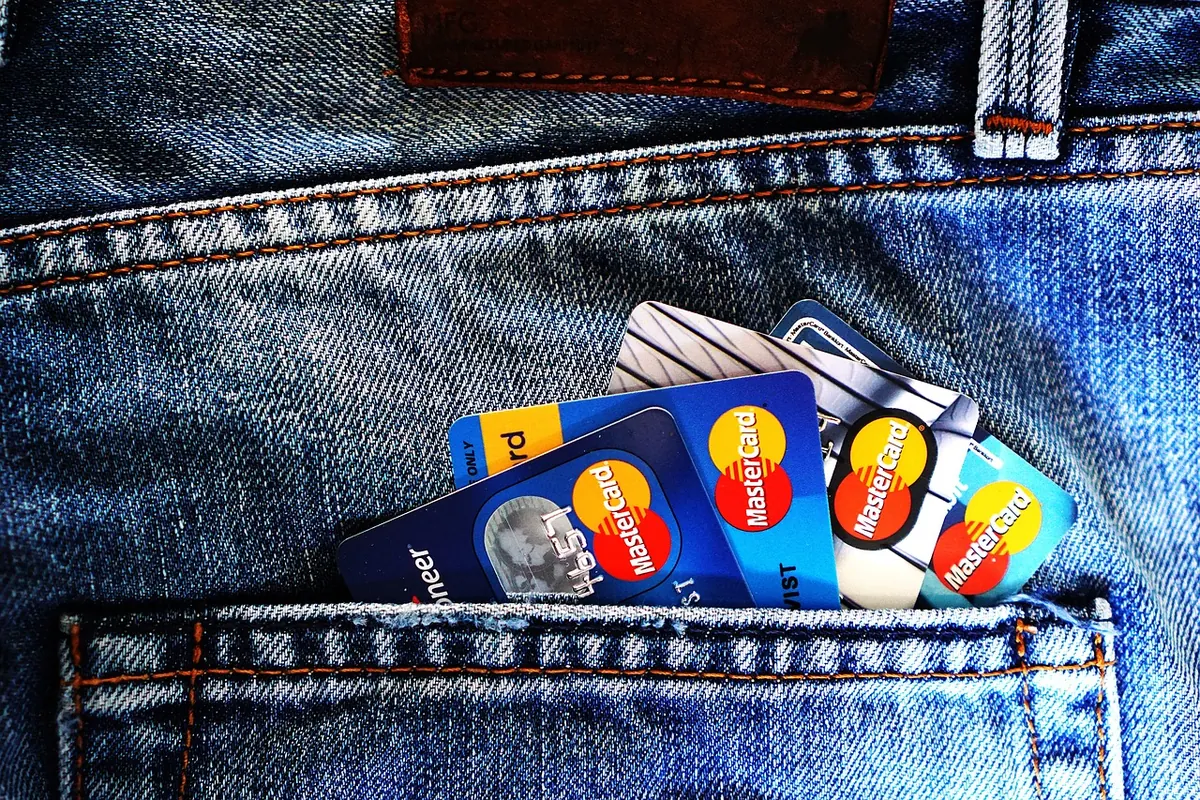
Photo: TheDigitalWay / Pixabay